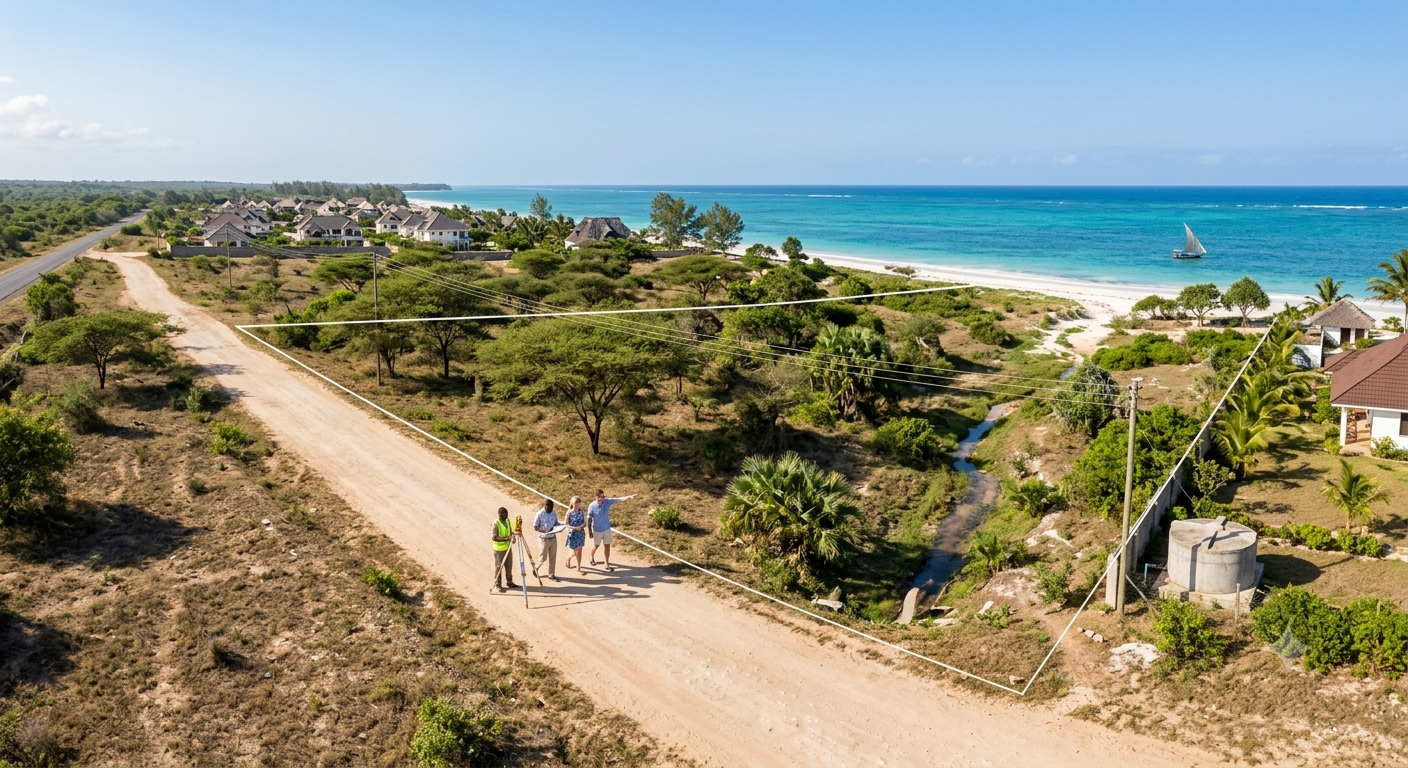
How to Evaluate a Coastal Location Before Buying Land
Buying land along Kenya’s coast is an exciting prospect. Whether you’re planning to build a family home, develop holiday villas, start a hospitality business, or invest for future appreciation, choosing the right location is one of the most important decisions you’ll make.
Many buyers focus on the asking price or proximity to the beach. While these factors matter, they don’t tell the whole story. A coastal property’s long-term value depends on several factors that aren’t always obvious during the first site visit.
Here’s what to look for before investing in a coastal location.
1. Define Your Investment Goal
Before evaluating any location, ask yourself one question:
What do I want this property to achieve?
Your answer will influence the type of location you should choose.
For example:
- A holiday home may benefit from being close to the beach, restaurants, and tourist attractions.
- A residential home may require a quiet neighbourhood with reliable utilities and easy access to schools and healthcare.
- A commercial development should be located where there is strong visitor traffic and room for future growth.
- A long-term investment may be better suited to an emerging area with planned infrastructure improvements.
A location that is perfect for one purpose may not be ideal for another.
2. Look Beyond the Beach
Being close to the ocean is attractive, but convenience is equally important.
Consider whether the property has easy access to:
- Tarmac or all-weather roads
- Electricity
- Reliable water supply
- Internet connectivity
- Shopping centres
- Hospitals and clinics
- Schools
- Banking services
A beautiful plot can quickly become difficult to develop if essential infrastructure is lacking.
3. Study the Neighbourhood
The surrounding area often tells you as much about a property’s future as the land itself.
Ask yourself:
- Are new homes being built?
- Are reputable developers investing nearby?
- Are hotels or resorts expanding?
- Is the area well maintained?
- Does it feel secure?
- Are property values steadily increasing?
Neighbourhood growth is usually a strong indicator of future demand.
4. Consider Accessibility Throughout the Year
A property that is easy to reach during the dry season may become difficult to access during heavy rains.
Visit the location at different times if possible, or ask about seasonal access.
Reliable road access is especially important if you intend to:
- Build immediately.
- Operate a holiday rental.
- Sell the property in the future.
- Transport construction materials.
Accessibility significantly affects both property value and marketability.
5. Understand Environmental Factors
Coastal locations come with unique environmental considerations.
Take time to evaluate:
- Flood risk
- Coastal erosion
- Drainage
- Soil stability
- Vegetation
- Prevailing winds
If you’re considering beachfront property, it’s also important to understand coastal setback requirements and any environmental regulations that may affect future development.
6. Research Future Development Plans
Some of the best investments are made before an area reaches its full potential.
Research whether there are planned developments such as:
- New roads
- Shopping centres
- Schools
- Hospitals
- Tourism projects
- Utility upgrades
Infrastructure improvements often increase property demand and land values over time.
7. Verify Legal and Planning Matters
A great location should also be legally sound.
Before purchasing, ensure that you:
- Verify the title deed.
- Conduct an official land search.
- Confirm survey boundaries.
- Check for any cautions or encumbrances.
- Understand zoning regulations and permitted land uses.
Legal due diligence is just as important as evaluating the physical location.
8. Think About Long-Term Demand
Ask yourself whether people are likely to want this location five or ten years from now.
Areas that consistently attract buyers often have characteristics such as:
- Good infrastructure
- Strong tourism activity
- Growing residential communities
- Attractive natural surroundings
- Reliable public services
- Ongoing private investment
Buying with future demand in mind helps protect your investment.
9. Visit More Than Once
Many buyers make decisions after a single viewing.
Instead, visit the property at different times of the day and, if possible, on different days of the week.
Observe:
- Traffic patterns
- Noise levels
- Neighbouring activities
- Beach conditions
- General atmosphere
A second visit often reveals details you may have missed the first time.
10. Work with Local Experts
No amount of online research can replace local knowledge.
An experienced land consultancy understands:
- Market trends
- Emerging investment areas
- Legal requirements
- Development potential
- Common risks affecting coastal property
Professional guidance helps ensure that your investment decision is based on facts rather than assumptions.
Final Thoughts
A great coastal location is about much more than stunning ocean views. The best investments combine accessibility, infrastructure, environmental suitability, legal certainty, and strong potential for future growth.
Taking the time to evaluate these factors can help you avoid costly mistakes and choose a property that meets your goals for years to come.
Whether you’re buying your first plot or expanding your property portfolio, careful evaluation is the foundation of a successful coastal land investment.