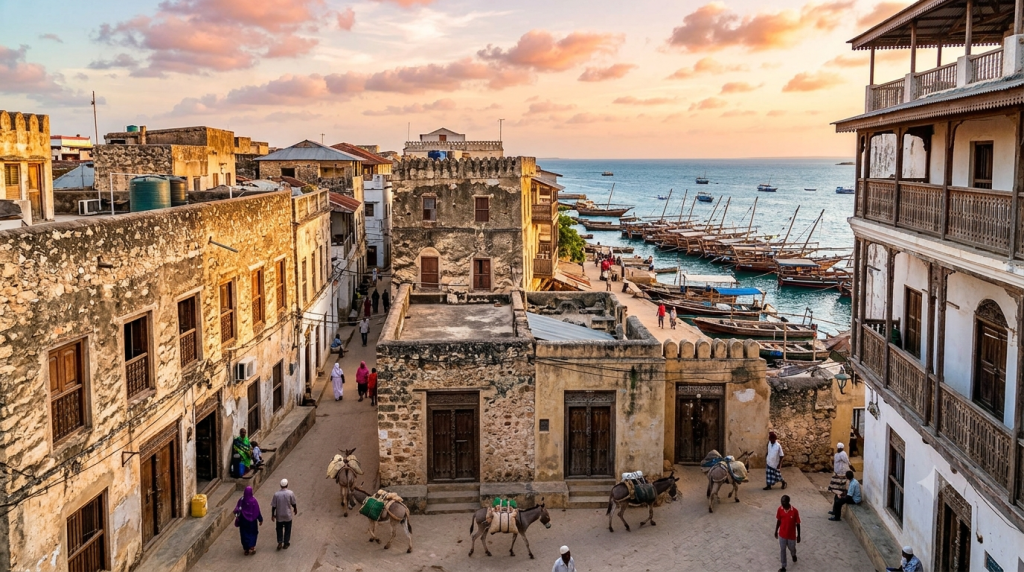
Lamu
Kenya’s oldest continuously inhabited Swahili settlement, protected by UNESCO World Heritage status since 2001 — a market where reputation and title complexity move together.
What we know about buying in Lamu
Lamu Old Town is Kenya’s oldest continuously inhabited Swahili settlement and has held UNESCO World Heritage status since 2001. That status protects the town’s character and drives international attention, but it also means development within and around the conservation area is tightly controlled and slower-moving than anywhere else on the coast.
MARKET SNAPSHOT
Highest beachfront value on the coast after Nyali
5-year land price growth59.7% (Q4 2020 – Q4 2025)Beachfront (per acre)
KES 139M, up from KES 81.7M five years ago
Buyer Profile & Regulatory Considerations
International buyers drawn to heritage character and exclusivity; speculative investors positioning around the LAPSSET corridor; a smaller pool of local buyers given price levels and title complexity.UNESCO heritage designation restricts building height, materials, and land use inside the conservation area, enforced through Heritage Impact Assessments and a Local Planning Commission.A large share of surrounding land is community or trust land rather than straightforward freehold, title history here needs more scrutiny than elsewhere on the coast.Illegal sales of land in protected catchment areas (notably around Shela) have been a documented problem historically, confirm the parcel’s registration status independently.
Infrastructure & Access
Reachable by air via Manda Airport or by road along the developing LAPSSET corridor; inter-island movement is largely by ferry or dhow. Utilities and services are concentrated in Lamu town itself and thinner elsewhere in the archipelago.
Risk Flags / Due Diligence Priorities
Title verification is the single highest-stakes step here, confirm registered/freehold status versus community or trust land before anything else.Confirm heritage and conservation-zone restrictions before assuming any development rights.Prices are high but the market is illiquid, strong valuation on paper doesn’t guarantee a ready buyer if you need to exit.WORK WITH US
Thinking about buying in Lamu?
We can walk you through what the data means for your specific goals, and what to verify before you commit to anything.
Common Attractions in Lamu
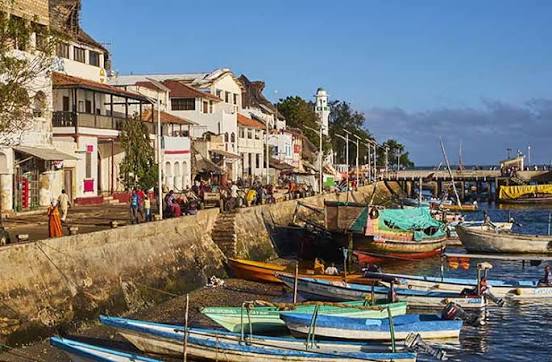
Get Lost in Lamu Old Town: Because the streets are too narrow for cars, the town is entirely vehicle-free. Walking through the labyrinth of alleys allows you to admire the beautiful, ancient coral-stone architecture, intricately carved Swahili wooden doors, and vibrant markets while dodging the local donkeys.
Sail to Takwa Ruins on Manda Island: Take a short boat ride across the channel to explore the remains of a 15th-century Swahili trading town that was mysteriously abandoned in the 17th century.
Walk the Endless Sands of Shela Beach: Located about a 40-minute walk (or a quick boat ride) from Lamu Town, Shela is a peaceful village with a breathtaking, 12-kilometer stretch of uninterrupted white sand beach and rolling sand dunes. It is the ultimate spot for a quiet swim or a sunset stroll.
Take a Multi-Day Dhow Safari: While short sunset sails are popular, the quintessential Lamu experience is a multi-day journey on a traditional wooden dhow.
Visit the Lamu Museum and Fort: To truly understand the rich tapestry of Omani, Portuguese, and African influences on the coast, visit the Lamu Museum. Afterward, explore the massive Lamu Fort, built by the Sultan of Faza in the early 1800s, which now serves as a community cultural center.