10 Common Mistakes Coastal Property Buyers Make (And How to Avoid Them)
Buying property along Kenya’s coast is an exciting investment. Whether you’re looking for beachfront land, an ocean-view home, or a plot to build your dream residence, the coast offers incredible opportunities.
However, coastal property comes with unique considerations that differ from buying land inland. Many buyers focus on the beauty of the location and overlook important factors that can affect the property’s value, development potential, or even ownership.
Here are ten of the most common mistakes coastal property buyers make—and how you can avoid them.
1. Falling in Love with the View Before Doing Due Diligence
It’s easy to be captivated by white sandy beaches, palm trees, and breathtaking ocean views. But no matter how attractive a property appears, never let emotions replace proper due diligence.
Before making any commitment:
- Verify the title deed.
- Conduct an official land search.
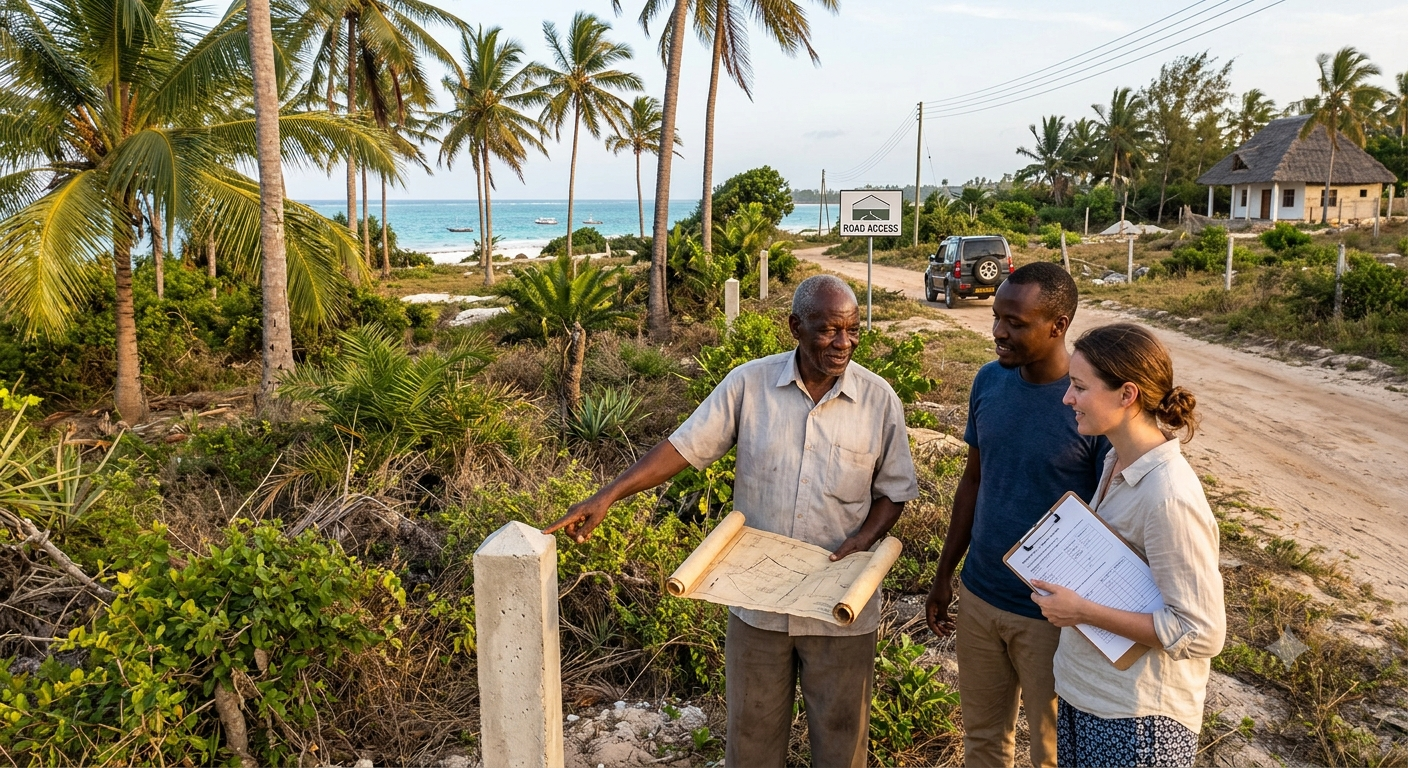
- Confirm the property’s boundaries.
- Visit the site in person.
- Understand any legal or planning restrictions.
A beautiful location is only a good investment if the paperwork is equally sound.
2. Assuming Every Beachfront Property Is a Good Investment
Not all beachfront properties perform the same.
Some enjoy excellent road access, reliable utilities, and strong tourism demand, while others may be difficult to access, prone to erosion, or restricted from future development.
Evaluate the property’s location, surrounding infrastructure, and long-term growth potential rather than relying solely on its proximity to the ocean.
3. Ignoring Road Access
A common mistake is focusing on the land itself while overlooking how you’ll actually reach it.
Ask yourself:
- Is there a legal access road?
- Is the road usable throughout the year?
- Can construction vehicles reach the site?
- Is the access road public or private?
Poor accessibility can increase development costs and reduce future resale value.
4. Failing to Understand Zoning and Development Regulations
Not every parcel of land can be developed in the same way.
Depending on its location, there may be restrictions on:
- Building height
- Property use
- Environmental protection
- Coastal setback requirements
- Commercial activities
Understanding these regulations before buying helps ensure the property suits your intended purpose.
5. Overlooking Environmental Factors
Coastal environments are dynamic.
Before purchasing, assess factors such as:
- Coastal erosion
- Flood risk
- Drainage
- Soil conditions
- Vegetation
- Natural water flow
These factors can influence both construction costs and the long-term durability of your investment.
6. Buying Without Understanding the Local Market
Property values vary significantly from one coastal town to another.
Before purchasing, research:
- Recent sales prices
- Demand trends
- Planned infrastructure projects
- Neighbourhood growth
- Rental demand
Understanding the local market helps you determine whether the asking price represents good value.
7. Underestimating Infrastructure
Some buyers assume utilities can easily be added later.
In reality, extending electricity, water, or internet services can be expensive and time-consuming.
Before buying, confirm the availability of:
- Electricity
- Water supply
- Internet connectivity
- Waste management
- Mobile network coverage
Well-serviced properties are generally more attractive to future buyers and tenants.
8. Not Considering Future Resale Value
A property should not only meet your current needs—it should also appeal to future buyers.
Ask yourself:
- Is the location growing?
- Are reputable developments nearby?
- Will demand likely increase over time?
- Does the property have features buyers typically seek?
Thinking ahead can help protect your investment.
9. Relying Solely on Online Listings
Photos can be misleading.
A property may appear larger, closer to the beach, or more developed than it actually is.
Always visit the property before making a purchase. Seeing the site in person allows you to assess:
- The neighbourhood
- Accessibility
- Terrain
- Surrounding developments
- Actual ocean views
- Noise levels
Nothing replaces a physical inspection.
10. Buying Without Professional Guidance
Perhaps the biggest mistake is attempting to navigate a land transaction alone.
An experienced land consultancy can help you:
- Verify ownership documents.
- Conduct due diligence.
- Confirm property boundaries.
- Identify potential legal issues.
- Evaluate investment potential.
- Guide you through the purchasing process.
Professional advice often prevents costly mistakes and provides confidence that you’re making a sound investment.
A Simple Checklist Before You Buy
Before committing to any coastal property, make sure you can answer “yes” to these questions:
- Is the title deed verified?
- Has an official land search been completed?
- Are the boundaries confirmed?
- Is there reliable road access?
- Are utilities available or easily accessible?
- Does the property’s zoning match my intended use?
- Have I assessed any environmental risks?
- Does the location have strong long-term potential?
- Have I visited the property in person?
- Have I sought professional advice?
If any of these questions remain unanswered, it’s worth taking the time to investigate further before making a purchase.
Final Thoughts
Buying coastal property can be one of the most rewarding investments you’ll ever make—but only if you approach it with careful planning and thorough due diligence.
The most successful buyers don’t simply choose the property with the best view. They evaluate its legal status, accessibility, infrastructure, environmental conditions, and long-term growth potential before making a decision.
By avoiding these common mistakes and working with experienced land professionals, you can invest with greater confidence and enjoy the many opportunities that Kenya’s coastline has to offer.